


Syphilis has been a North American scourge since 1492, when it was unwittingly brought to the continent by the explorer Christopher Columbus, who eventually died from it. Before treatments were found, the sexually transmitted disease (STD) killed people from all walks of life, including – it is believed — Ivan the Terrible, Edouard Manet, Franz Schubert and Al Capone.

In 1910, an arsenic derivative became the first magic bullet for syphilis, but it was the 1940 discovery of penicillin that truly led to the precipitous drop in the number of annual syphilis deaths in the United States. Growing awareness of the ailment led to cases dropping to an all-time low of just under 6,000 by the year 2000. Now, however, syphilis is making a comeback, and the statistics are staggering.
There were 177,000 cases reported in the U.S. in 2021. Congenital syphilis, which is spread from mother to fetus, resulted in 220 total stillborn and infant deaths that year. New York state ranks 18th in the country for the number of syphilis cases: 3,500 diagnoses were registered in 2022, 39 of those in Dutchess County and 2 in Columbia County. Men comprise 80% of syphilis sufferers; the peak age group is 25-29. Nor are seniors exempt: the rate of syphilis for those 65 and older has more than tripled in the past decade.
Syphilis is spread by having sex with an infected partner. The causal bacteria, T. pallidum, lives in sperm, mucus, saliva, blood and breast milk; it can also be passed skin to skin. The risk of contracting syphilis increases with unprotected sex, multiple sex partners and not using condoms or using them improperly. You can’t catch syphilis from swimming pools, hot tubs, towels or toilet seats.
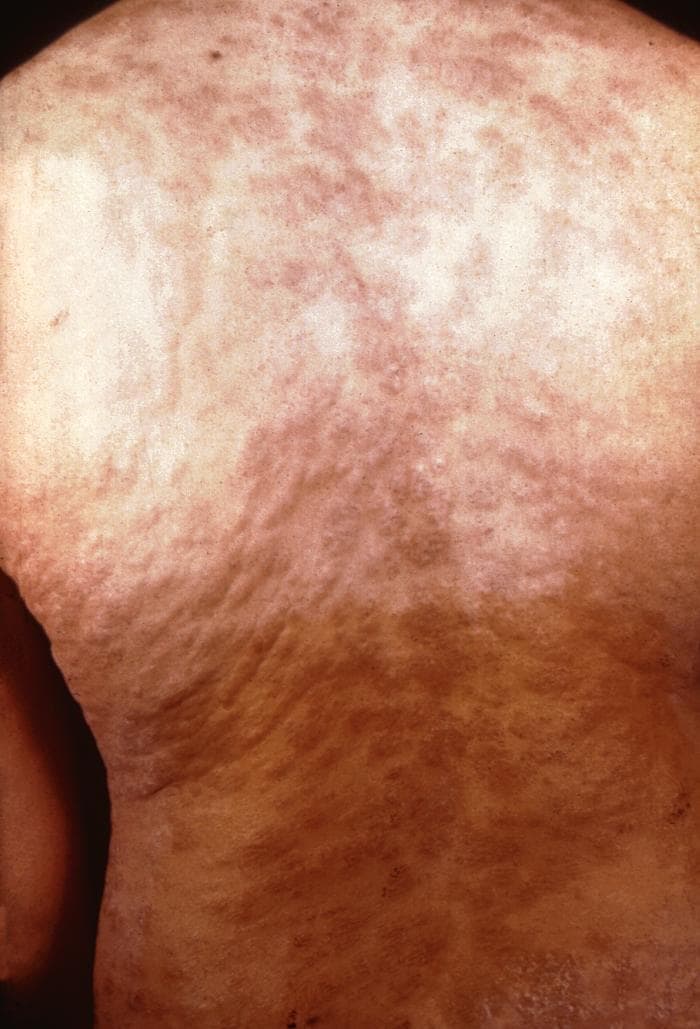
There are three stages to the disease, the first most contagious: within three weeks of exposure, a genital or mouth sore appears that is easily discountable as a pimple. The sore disappears in about six weeks with or without medication, so untreated sufferers can be fooled into thinking they’re disease-free. Stage two syphilis directly follows, and is associated with a non-itchy, reddish-brown body rash, often accompanied by fever, swollen glands, or weight loss. This has earned syphilis the nickname of “the Great Pretender,” as it mimics other diseases like measles, mono, and shingles, raising the risk of an incorrect diagnosis. These symptoms eventually disappear, but without treatment, the disease can progress to the third stage – a process that can take 10-30 years. Third-stage syphilis is life-threatening, associated with brain damage, deafness and blindness.
If a pregnant woman is infected, even the first stage of syphilis can be devastating to the fetus. There is a 40% incidence of stillbirth or infant death in cases of congenital syphilis; children who survive suffer from skeletal and facial deformities, and loss of sight, hearing, or both.
Syphilis is cured with an intramuscular shot of penicillin. Unlike gonorrhea, it is not resistant to antibiotics. No one develops immunity to syphilis; subsequent exposures can lead to reinfection.
There are various explanations for the soaring numbers of syphilis cases. Lawmakers thought the war against the disease had been won in the late 1990s, and reallocated sexual health funding. This resulted in the closing of low-cost health centers that treated STDs and less public focus on sexual health. Covid added to the number of STD clinics that closed, as the public health focus turned overwhelmingly towards fighting the pandemic. Online dating has resulted in many people expanding their sexual networks. The opioid abuse epidemic has fostered poor choices about condom use.
Changes in how sex education is taught in public schools has also negatively impacted public awareness of the pervasiveness of STDs, how disease is spread, and how to avoid infection. Comprehensive sex education had been taught in secondary and primary schools since the 1980s. The advent of “abstinence-only” teaching in the early 2000s changed this. Now, many schools provide no education on STD or safe-sex awareness; 19 states teach only abstention. (New York is not among them.)
Like other STDs, syphilis can be prevented by using condoms: They’re 98% effective if used consistently and correctly. They should be kept handy, in a pocket or bag. Dental dams provide protection during oral sex. Annual screening for all STDs is crucial: Medical providers or local health clinics will tailor the frequency of syphilis testing — a simple blood sample — for each individual. No home test kits are available, and there is no vaccine.
The Dutchess County Department of Behavioral and Community Health offers low-cost treatment, counseling and referral services for patients and their sexual partners, and has launched a Mobile Health Clinic to bring STD screening to rural patients. Planned Parenthood branches in Kingston and Poughkeepsie also provide affordable sexual health services.
Mary Jenkins is recently retired after nearly 40 years as a family practice physician in New York state.